WasteWatch: The Story So Far
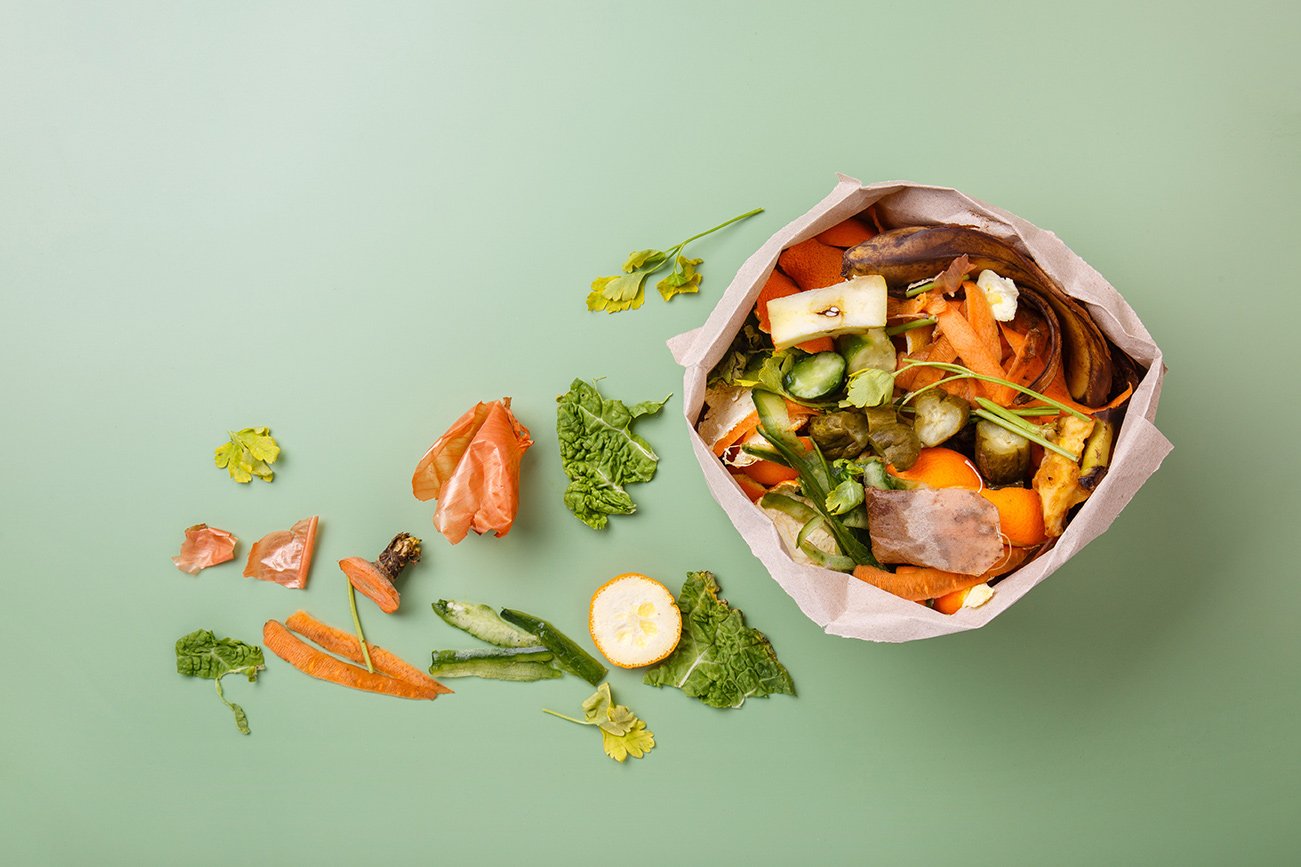
Around a third of food produced in the world is wasted. It’s a startling statistic, but one we want to tackle. Since launching Sodexo’s WasteWatch program in 2021, we’ve already cut our food waste by 20 percent across dozens of client sites where we provide catering services. Here in the Middle East, we’re meeting our food waste reduction goals, helping our clients meet their own sustainability targets, and making plans to go even further. Here’s how we are addressing the issue.
.jpg?h=1080&iar=0&w=1350)
How are we Doing?
Both globally and here in the Middle East, the figures show we’re well on the way to achieving our goals but there’s still some hard work to be done.
Since August 2021, we’ve reduced food waste in our client sites by 20 percent. Our goal is to reach a 50 percent reduction by 2025, so we’re well on the way to the target.
To put that into context, that’s a reduction of 27,459 kilograms of actual food waste. It’s equivalent to a reduction of 400 metric tons of carbon emissions, the same amount produced by approximately 285 households.
Here in the Middle East, we’re tracking our progress on specific goals. Across Oman, Qatar and the UAE, we’ve had 60 goals in place until last February when we stepped up our ambition, increasing to a total of 257 goals. At last count, with the helo of our clients, staff, and diners, 82 of those goals we accomplished, translating to a 31.9 percent completion rate.