Future Food

If the thought of eating algae, cacti or pumpkin flowers doesn’t fill you with excitement. Or you’ve never heard of ingredients like Amaranth, Moringa or Enoki mushrooms, read on to find out what magic our Sodexo chefs are preparing to weave in the pursuit of the future of food.

The Unsustainable Present

As the world's population continues to grow, our food systems are beginning to struggle to keep pace. And with rising global hunger rates*, the statistics indicate we need to produce more food, faster to meet the nutritional requirements of our populations. We also need to avoid the kind of damaging side effects that sometimes come along with such large-scale industrial agriculture, such as the depletion of soil quality, the destruction of natural habitats and the concerning rise of health conditions associated with high fat, high carb diets.

In the past decade, thinking and behaviours around eating and agriculture have begun to shift. We are seeing a clear movement away from simply trying to produce as much food as possible as cheaply as possible, and acquiring a new focus; towards a future where the provenance and quality of what we consume takes on more importance. Where we look to less traditional, more sustainable sources of nutrition and where animal products take less of a prominent role.
Feeding the Middle East

Our region faces unique challenges in food production due to a rapidly growing and often transient population, and a climate that is not conducive to large scale agriculture. Indeed, Middle Eastern countries as a whole rely on imports for up to 90%* of their food requirements. This creates a burden on the environment and on our pockets.


Governments in the region have also long been aware of issues around food security and are now investing heavily in new techniques and technologies that increase healthy food production and promise to reduce the region’s reliance on more expensive imported food.


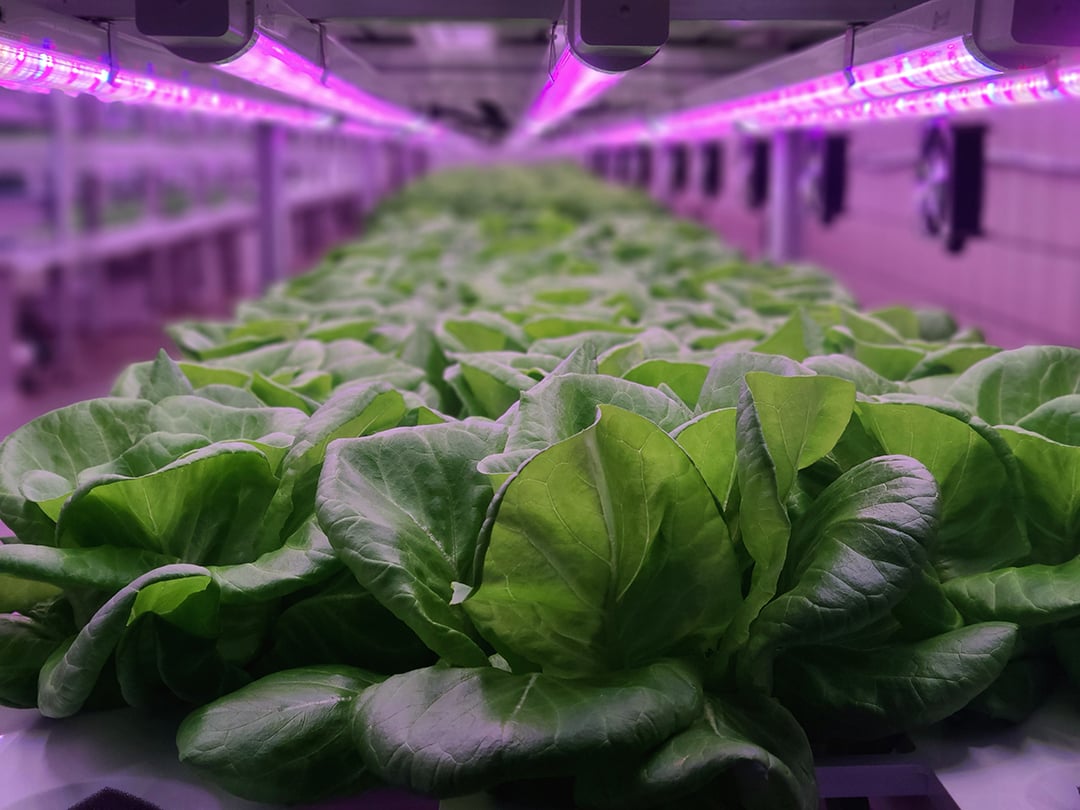
For example, The Ministry of Climate Change and Environment, Dubai signed a deal recently with a local startup to establish 12 vertical farms for growing microgreens*. Elsewhere, in Abu Dhabi, a vast warehouse site is now home to an indoor tomato farm using advanced aquaponics that can recycle up to 95% of the water it consumes to produce food for the local market. And new companies are creating inland fish farms using new technology and harnessing these techniques to produce organic fish for local consumption.*

It is hoped that these projects can lead the way to a healthy, secure and environmentally friendly food future for the middle east.

The Future 50 Foods Project

In this spirit of innovation and conservation, a team of Sodexo chefs recently partnered with WWF UK and Knorr from The Future 50 Foods project to create 40 recipes based on the ingredients they highlighted in their 2019 report. The initial project brought together scientists, nutritionists, and agricultural experts to prepare a report based on the principles of reducing the environmental impact of farming practices, promoting agrobiodiversity, and stimulating a shift towards plant-based and raw foods.

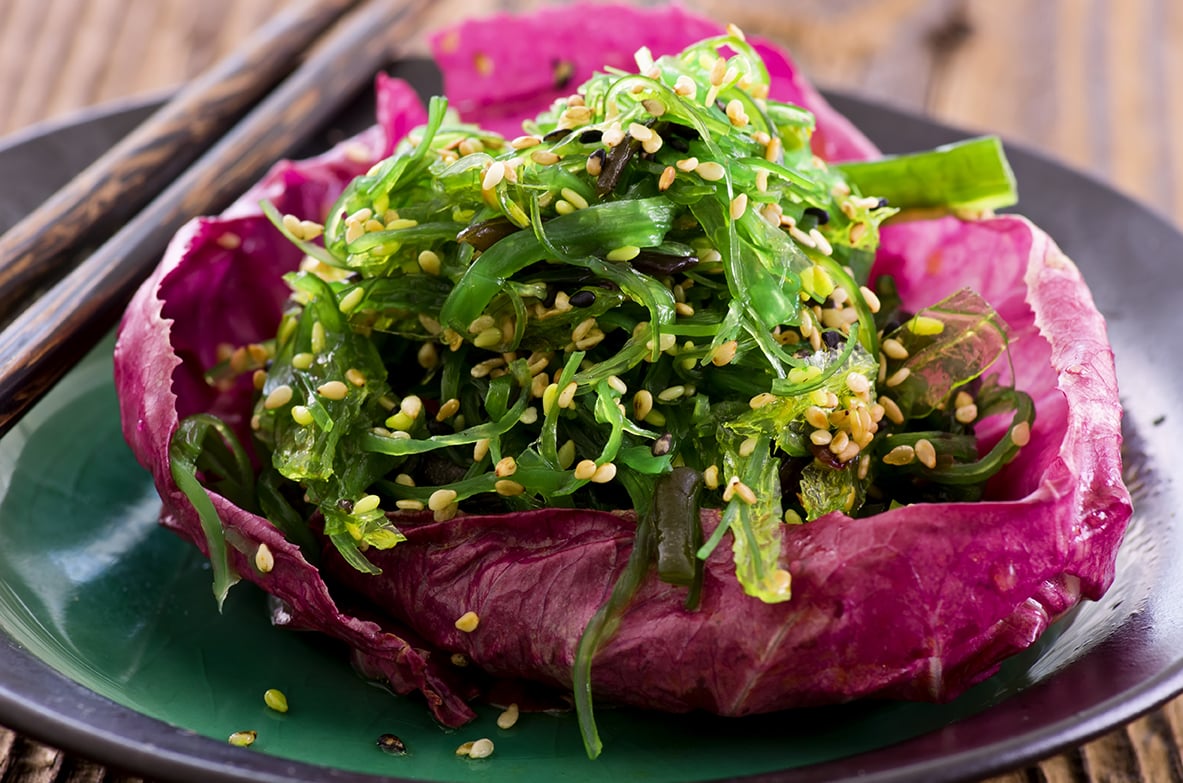
The project focused on shifting attention from the 12 crops and five animal species that the world is currently overconsuming, and towards some lesser-known and more resource-friendly alternatives. These future foods include such ingredients as fonio, pumpkin flowers, algae, and cacti. Foods that are not first to spring to mind when deciding on your next meal but which are rich in proteins and nutrients. Importantly, they can mostly be consumed raw or unprocessed and can be used as a suitable meat replacement.

Loading component...